Have You Played Atari Today?
My first video game system was an Atari 2600. The only game I owned was Pac-Man, so my uncle loaned me Superman and E.T. I was very young, and I had no idea the reputation E.T. had, but even then I could tell Superman was the superior game. I loved swapping from Clark Kent in the phone booth to Superman.
My Atari memories are rather limited. I remember playing those three games, along with an IndyCar-style racing game, but I don’t have the same fond memories of Atari as I do of Nintendo or even the arcade. The Atari was slightly before my time, and I came to it fairly late in its life cycle.
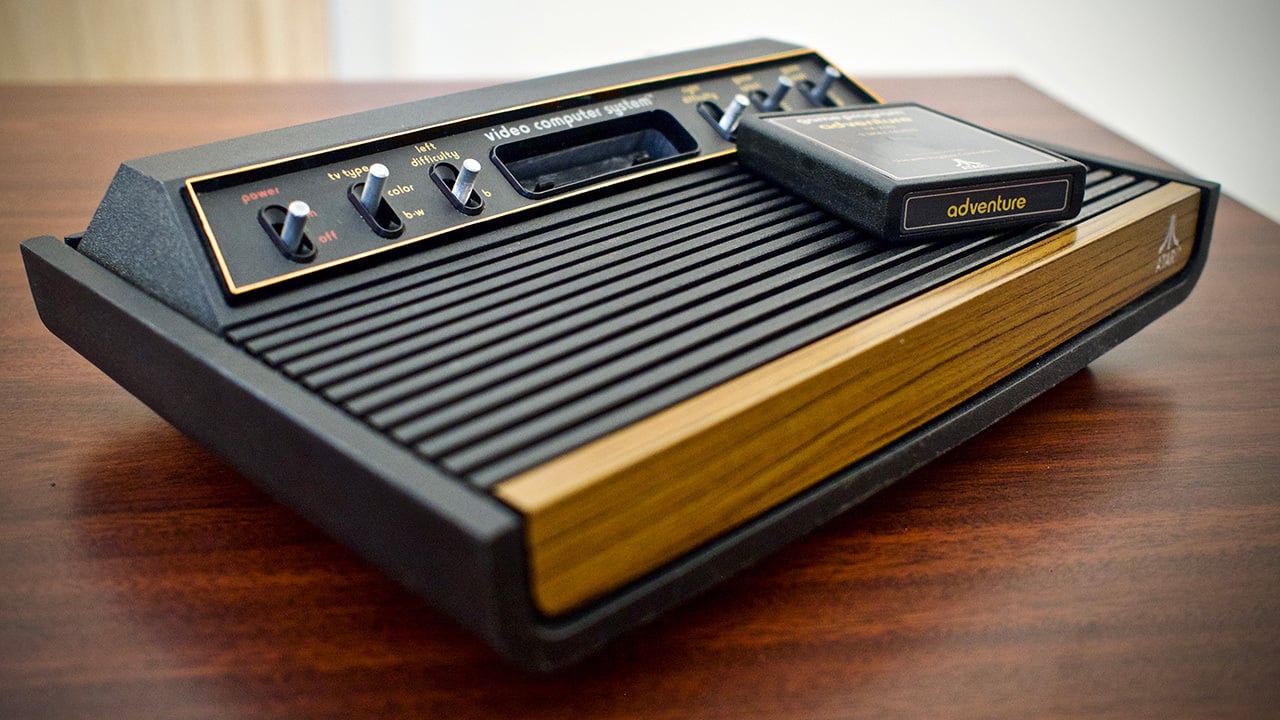
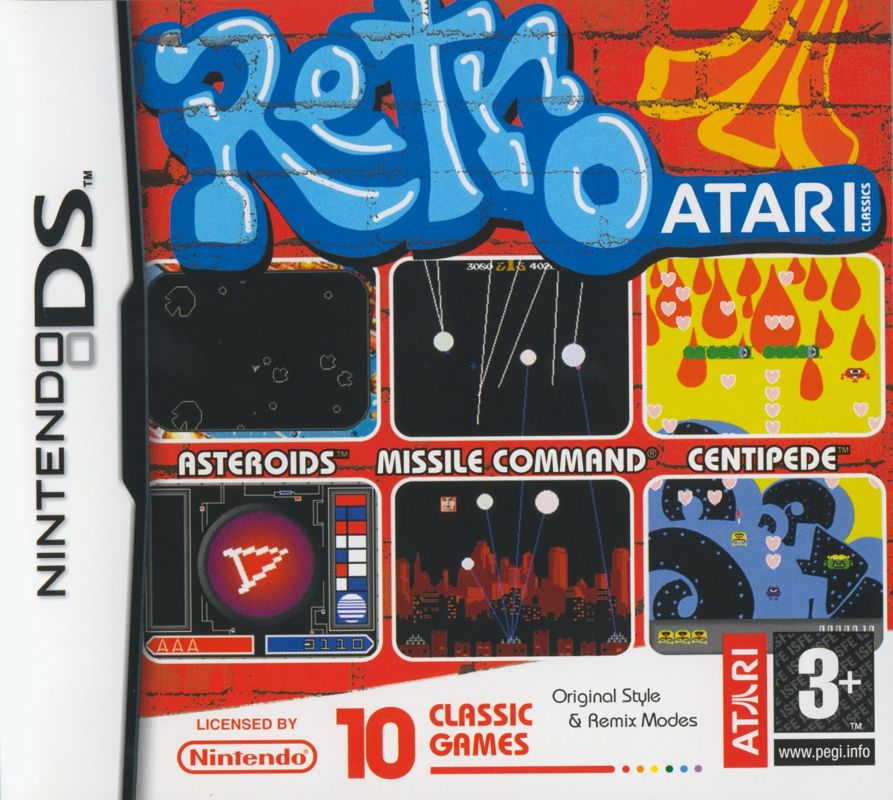
Of course, once the NES was released, Atari quickly became old news. Other than being impressed by the color graphics on the handheld Lynx and drooling over the futuristic Jaguar in a Toys “R” Us case, I didn’t really give Atari much thought. It wasn’t until Retro Atari Classics was released on the Nintendo DS that I really experienced classic Atari games like Missile Command and Tempest outside of dropping a quick quarter at the arcade.
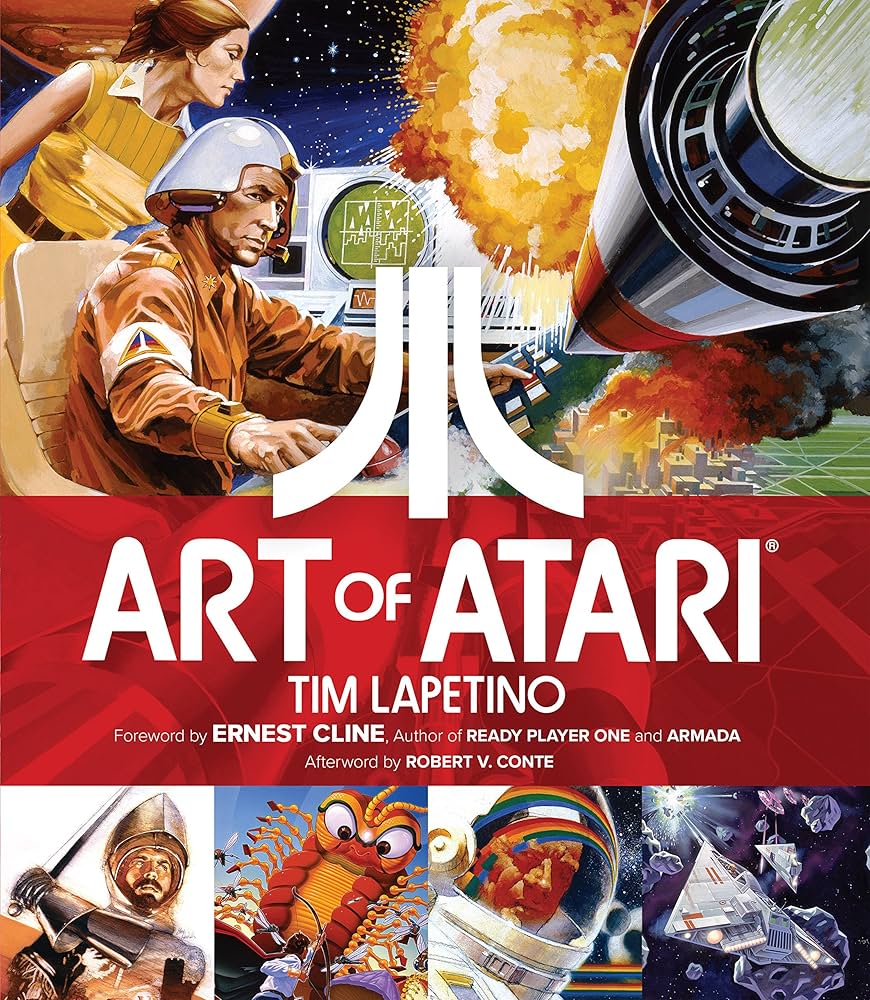
Still, Atari has always lingered in the back of my mind. There’s something about the iconic logo and the overall branding of the console that continually pulls me in and makes me want to own one. For years, The Art of Atari has sat on my wishlist, largely because I’m drawn to the striking painted cover art.
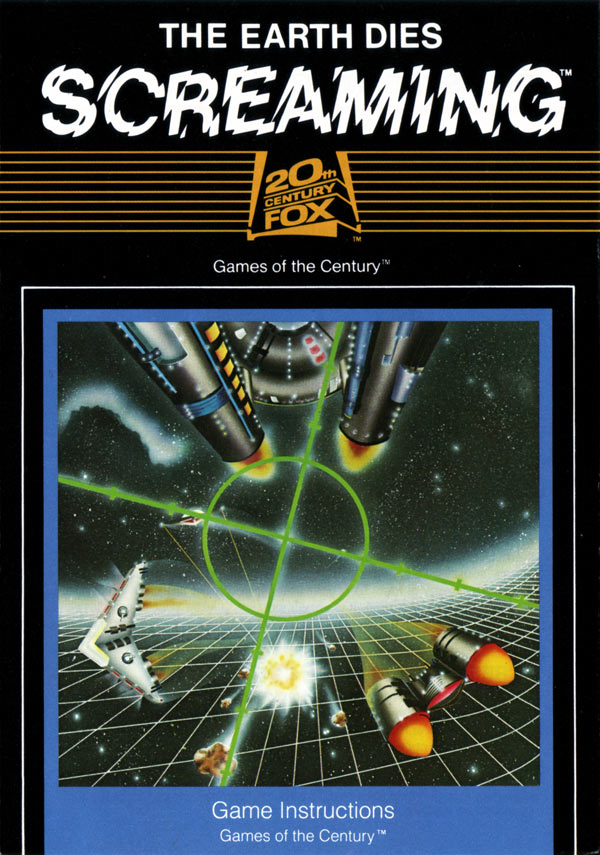
I mean, look at this… it’s so fucking metal.
But other than buying a few of the Atari Recharged (modernized versions of the classics) on Xbox, I’ve held off on picking up any of the classic collections. I really wasn’t sure if I’d play them.
At the beginning of the year, I found myself in BJ’s Warehouse, where I picked up an Atari GameStation Go. I always look at these Atari products at big box stores, and this time was no different. I liked the idea of a seven-inch screen for a portable gaming console, and I really liked the design of the console. To make things even better, it was discounted to $99, and my wife encouraged me to pick it up.
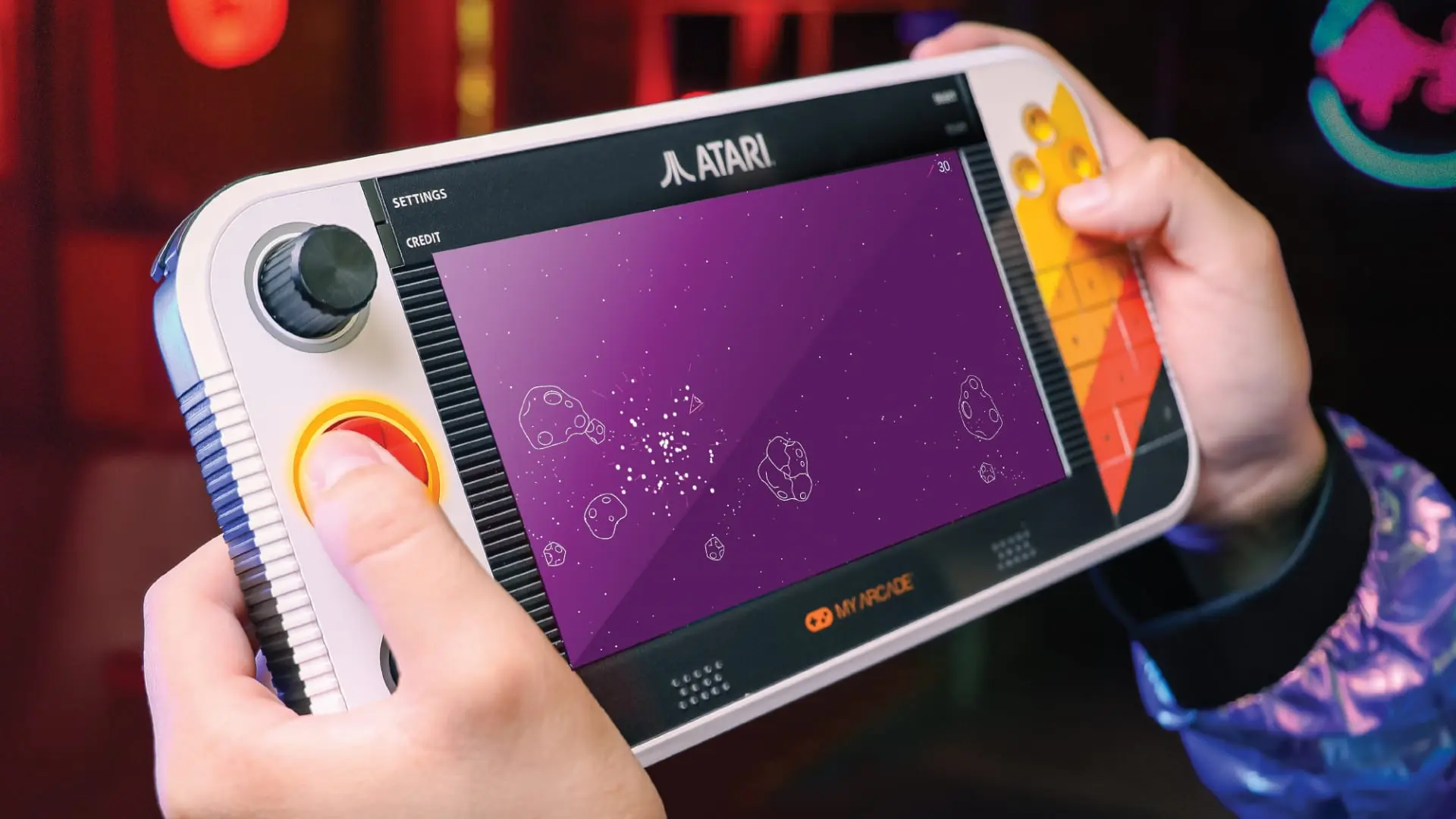
The GameStation Go is a portable console that includes over 200 games from the arcade, 2600, 5200, and 7800, along with Atari Recharged games, a ton of Pac-Man, pinball, and more. What really makes the unit so cool is it includes a trackball and a spinner, so you can experience these games with their actual controls! As a huge fan of Breakout, this makes for a wonderful addition and honestly was enough to justify the price of the console alone. Would I pay $200 for it? No.
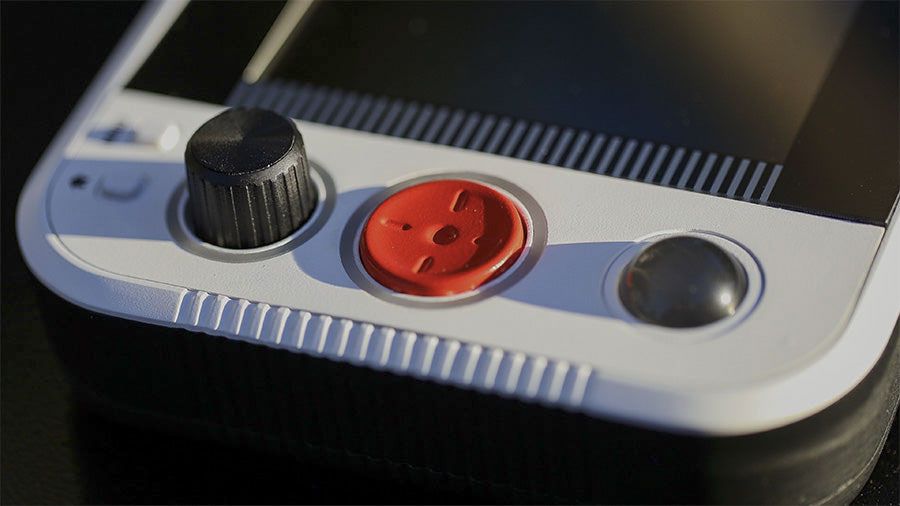
The console also comes with an HDMI cord so you can hook it up to your TV, and they sell a separate controller, complete with trackball and spinner, so you can play wirelessly if you prefer.
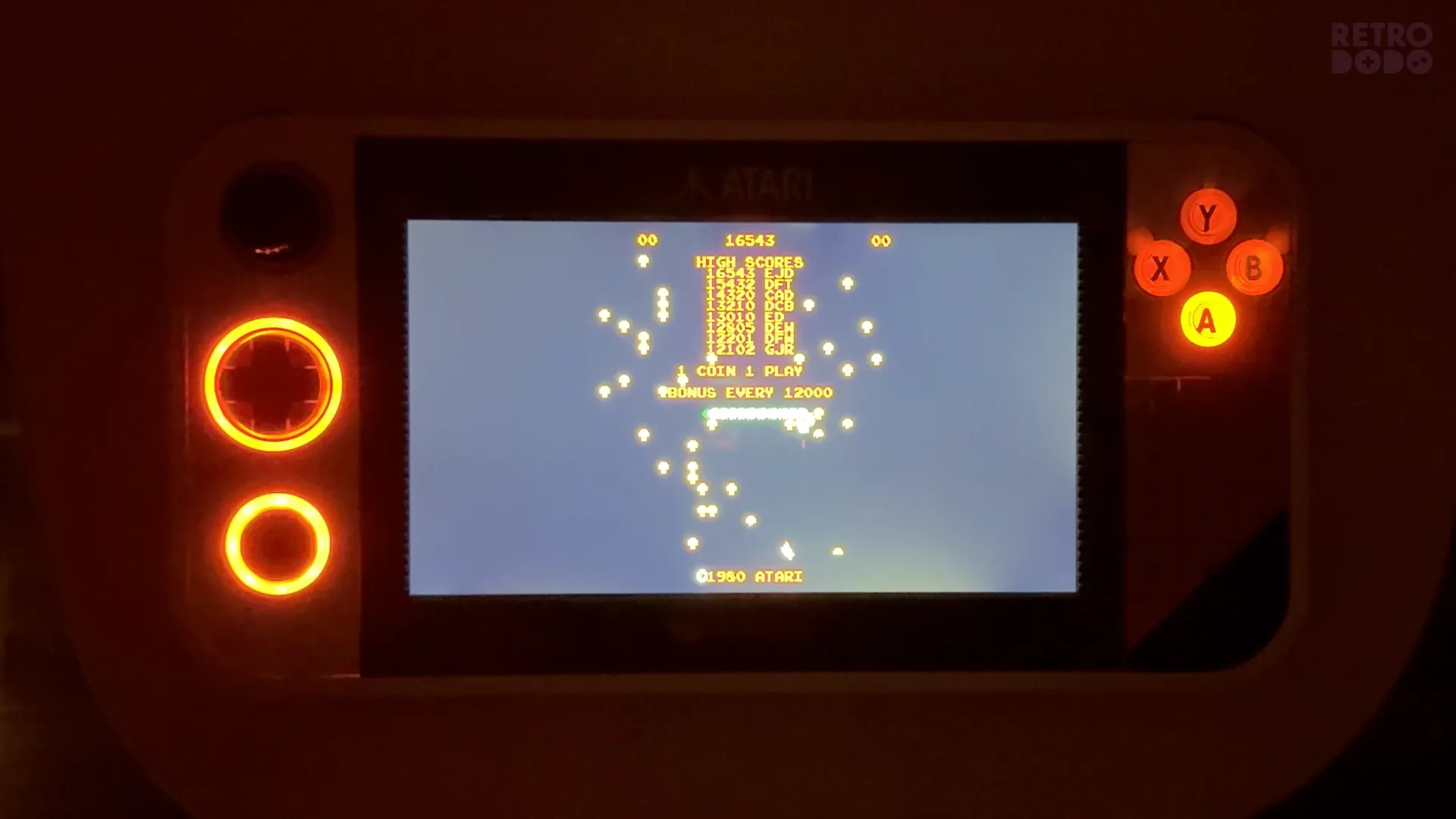
Another awesome feature is that the controls you need for whatever game you pick light up. So if you are playing a trackball game, the ring around the trackball lights up. If you are playing a game that needs just A and B, only those two buttons light up. It’s a creative way to help make things easier on the consumer.
Then, to make this system just a little bit better, it emulates up to SNES/Genesis. You just stick a microSD card in, and everything works. It’s so much more convenient than some of the emulation handhelds I’ve purchased, although it does lack save states for the emulated games and box art. Some fine folks over at AtariAge are working on some custom firmware that might really unlock this system’s potential, but right now it’s an excellent pick up and go device for Atari, NES, SNES, Genesis, Game Boy, and Master System games.
I really expected my GameStation Go to collect dust like my RetroPocket 2s, but I believe the large screen has really made all the difference. It’s just so easy to look at and feels nice in my hands.
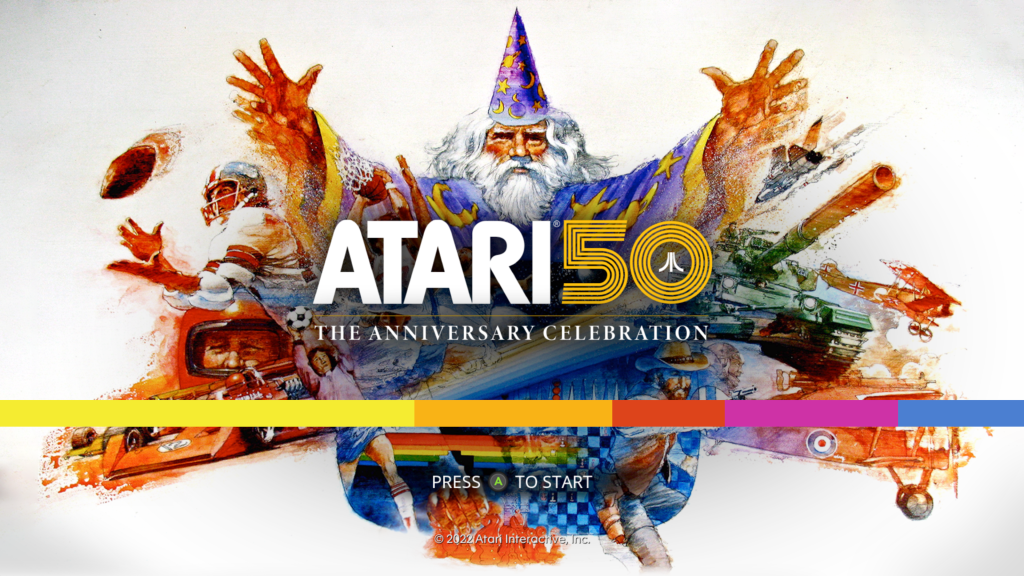
My fascination with my GameStation Go made me want to take a deeper dive into Atari, and so I decided to buy Atari 50: The Anniversary Celebration. This is another game I’ve been watching for a couple of years, and I probably should have bought it sooner. It’s hard to call this a game. It’s more like an interactive documentary complete with interviews, clips, random factoids, marketing materials, and a timeline that educates you about the history of Atari while playing both the original and some reimagined games. It’s a super neat way to experience history and a great way to learn more about Atari.
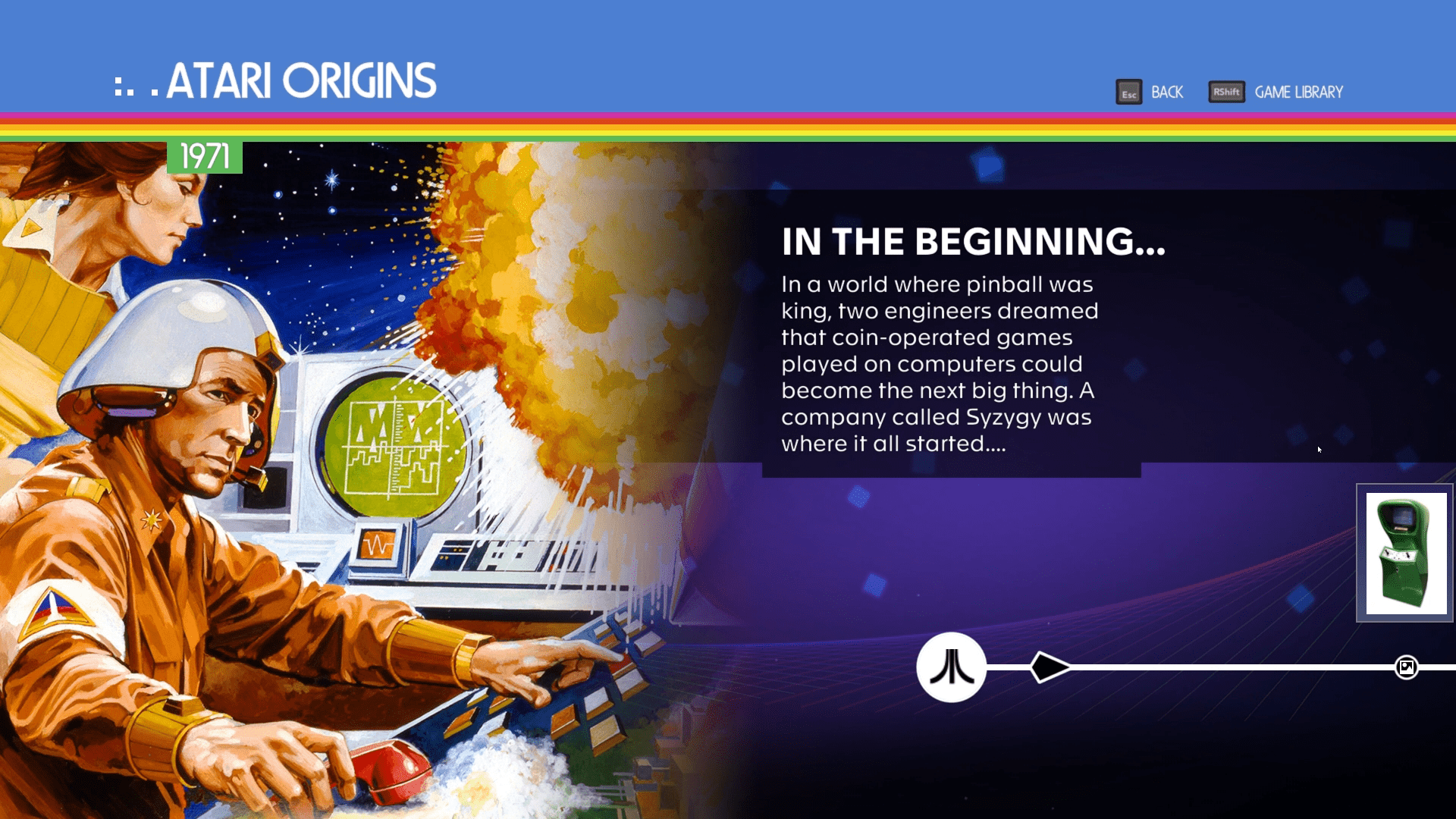
I feel I need to circle back, though. Despite really enjoying my GameStation Go and the Atari 50 game, most of the Atari games do not play as well in 2026. They are quite primitive, and the controls can leave a lot to be desired, and I think that is why experiencing these games alongside a history lesson in Atari 50 really enhances the experience. For every great game that holds up like Asteroids or Centipede, there are a dozen that do not. Then you play something like Tempest, and you are amazed at how such a creative game was made so many years ago.
The older I get, the more I appreciate simple games that are just pick up and go, and as my wife said when she encouraged me to buy the GameStation Go, “You won’t have any distractions. You don’t have to worry about the internet,” and she was right. In the long run, I’ll probably end up playing more NES or SNES on my GameStation Go, but I’m really enjoying exploring the world of Atari right now, even if many of the games are just something I’ll experience for a few minutes before moving on to the next title.